
Home Lockout Deadbolt Installation
There is a special kind of panic that comes from being shut out by a stubborn deadbolt. With some practical steps and realistic expectations you can be back inside and better protected within an hour or two. If you want immediate help from a qualified pro, check this resource for local options, but read on for the practical troubleshooting and upgrade advice that actually matters: 24 hour locksmith. I cover emergency tactics, what to expect from a replacement, and how to avoid repeating the same mistake.
Common causes of deadbolt failure and what they reveal.
A deadbolt only shows its weaknesses when parts wear or installation was never quite right. Metal moves, screws loosen, and homeowners get careless about lubrication, so problems usually start as small friction and escalate into failure. A key that twists and refuses to turn often points to internal tumbler damage or a broken key while a knob that feels mushy usually indicates stripped internal gears.
Quick checks to try before you call a pro.
Following a systematic order keeps you from forcing anything and from turning a repair into a replacement. Lubricate sparingly with a graphite or dry Teflon product designed for locks, not oil-based lubricants that attract dirt and gum up the internals. If the thumb-turn spins without resistance while the key turns, expect an internal failure that usually needs a locksmith to disassemble the cylinder.
How to judge whether the situation needs 24 hour attention or can wait for normal business hours.
If safety or child access is at stake, treat the lockout as an emergency and call a 24/7 pro immediately. For renters, contact your property manager first, because some leases require them to arrange the locksmith and to accept the cost. If you need roadside service for a vehicle deadbolt or trunk lock, mobile locksmiths with automotive experience are the specialists to request.
A realistic look at the steps a locksmith performs and the elements that drive the bill.
business securityExpect the tech to explain whether the lock can be repaired in place, whether rekeying suffices, or whether a full cylinder or deadbolt replacement is the safer long-term fix. For a simple non-destructive unlock during business hours, you might see a modest flat fee; after-hours and emergencies commonly add a surcharge that varies by market. A good locksmith will leave the door aligned, the strike plate reinforced if needed, and will test the installed deadbolt through multiple cycles before taking payment.
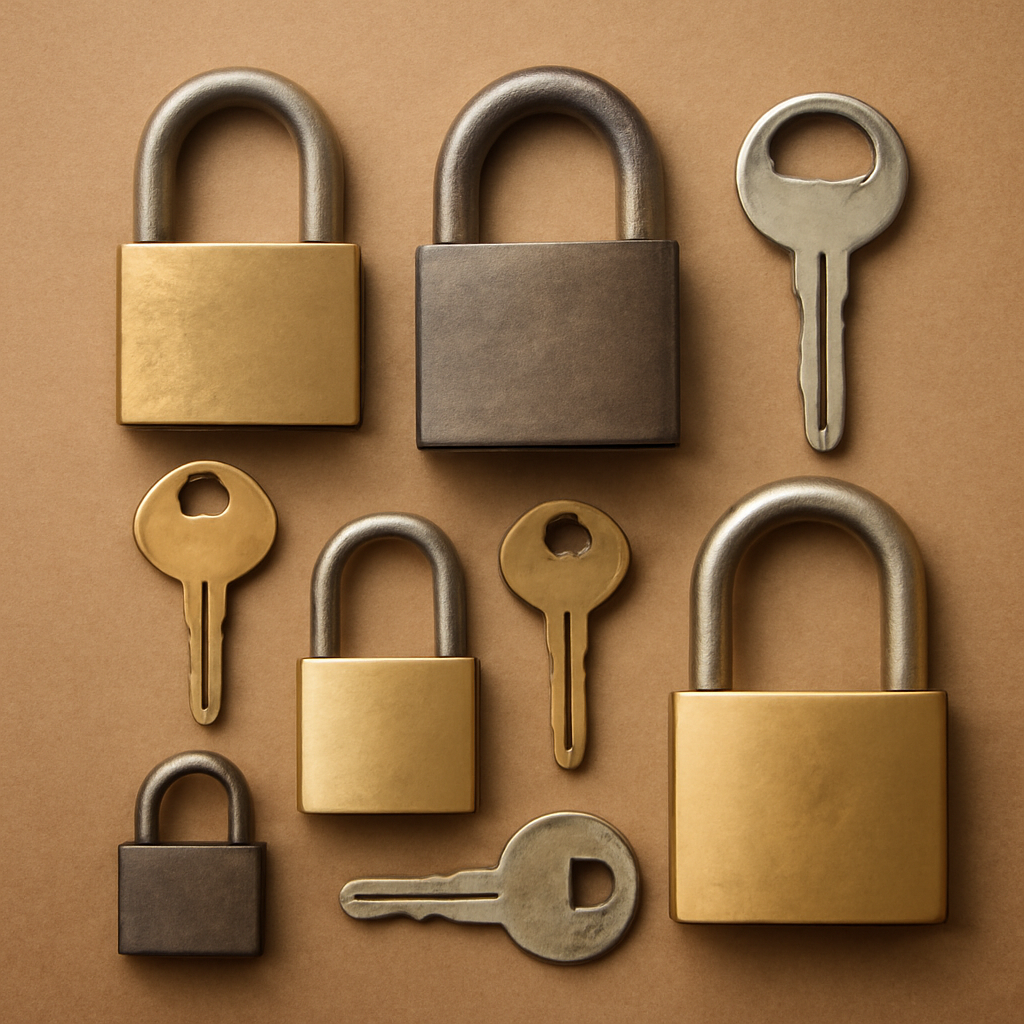

Choosing the right deadbolt for reliability and security.
Durability depends on alloy quality, bolt length, and the design of the strike assembly more than on finish colors. Opt for a bolt that extends at least one inch into the jamb and choose a reinforced strike plate mounted with 3-inch screws into the framing timber to prevent kick-ins. Consider smart locks if convenience and remote access are priorities, but weigh battery dependency, electronic failure modes, and whether the lock supports secure encryption protocols.
What pros change that most DIY installs miss.
Installing a deadbolt looks straightforward until misalignment, wrong backset, or door thickness issues show up, and those small mistakes cause months of frustration. Test the latch with the door closed and latched multiple times before finishing the trim or painting, because paint squeeze or door swelling will reveal misfit long after the work is done. If you are not comfortable chiseling the mortise for the strike plate accurately, hire a pro who brings templates and digital measuring tools to avoid crooked cuts.
Rekeying versus replacement - how to choose what saves money and preserves security.
If your cylinder is intact but keys are lost or too many copies exist, rekeying resets the pin configuration and keeps the exterior hardware while changing keys. If you want upgraded security features such as pick resistance, hardened steel inserts, or smart lock integration, a complete replacement is the better long-term investment. If you have a master-key system in a multi-unit building, rekeying requires planning to preserve the master hierarchy and record-keeping, and that is typically best handled by a licensed company.
Red flags and green lights when hiring someone to work on your locks.
You want clear licensing, proof of insurance, and good local reviews before anyone touches your door or vehicle. Ask about guarantees on the work and whether the technician carries backup parts for common cylinder sizes and finishes. Beware of extremely low estimates over the phone that balloon on arrival; transparent businesses give ranges and note potential surcharges for late-night or long-distance calls.
Preventive care that saves both time and replacement cost.
Wipe off grime, confirm the key fits without force, and exercise the bolt through several cycles after any home painting or trimming. Keep spare keys in secure off-site locations or with a trusted person rather than hiding them in obvious spots like planters or under welcome mats. Schedule a professional inspection if you notice anything unusual such as grinding, intermittent sticking, or visible damage after a break-in attempt.
How to plan an upgrade that meaningfully increases security.
A security upgrade pairs a grade 1 deadbolt with a heavy-duty strike plate, 3-inch screws, and often a reinforced door jamb insert, making forced entry far more difficult. Consider high-security cylinders that resist drilling, bumping, and picking when you want certified protection with restricted keyways that prevent unauthorized duplication. Ask about scheduled maintenance plans some companies offer, which combine professional inspections with small repairs at predictable intervals.
A few habits that save the next emergency from becoming a crisis.
Make a spare key plan, know a trusted mobile locksmith's number, and invest in modest door reinforcement so you reduce both lockouts and break-in risk. Store a spare key with a trusted neighbor or use a secured lockbox when appropriate, and update key control after tenant changes or key losses to keep access limited. Practice the habit of periodic inspection and modest reinforcement and you will avoid most emergency locksmith calls while increasing safety for everyone in the house.
Locksmith in Orlando, Florida: If you’re looking for a reliable locksmith in Orlando, FL, our company is here to help with certified and trustworthy locksmith services designed to fit your needs.
Locksmith Orlando | Locksmith Unit
- Address: 3725 Conroy Rd, Orlando, FL 32839, United States
- Phone: +1 407-267-5817
- Hours: Open 24 hours
- Website: locksmithunit.com
- Contact Us: Contact Locksmith Unit Orlando, FL
- About Us: About Locksmith Unit Orlando, FL
Connect with us
- Google Business Profile: Locksmith Orlando | Locksmith Unit on Google Maps
- Facebook: Locksmith Orlando | Locksmith Unit on Facebook
- Instagram: Locksmith Orlando | Locksmith Unit on Instagram
- YouTube: Locksmith Orlando | Locksmith Unit on YouTube
- TikTok: Locksmith Orlando | Locksmith Unit on TikTok
- X (Twitter): Locksmith Orlando | Locksmith Unit on X (Twitter)
- LinkedIn: Locksmith Orlando | Locksmith Unit on LinkedIn
- Pinterest: Locksmith Orlando | Locksmith Unit on Pinterest
- Threads: Locksmith Orlando | Locksmith Unit on Threads
- Blogger: Locksmith Orlando | Locksmith Unit on Blogger
- Tumblr: Locksmith Orlando | Locksmith Unit on Tumblr
- Bluesky: Locksmith Orlando | Locksmith Unit on Bluesky
- Band: Locksmith Orlando | Locksmith Unit on Band
- VK: Locksmith Orlando | Locksmith Unit on VK
- Yelp: Locksmith Orlando | Locksmith Unit on Yelp
Worldwide Brand Profiles
- Medium: Locksmith Unit on Medium
- Instapaper: Locksmith Unit on Instapaper
- Diigo: Locksmith Unit on Diigo